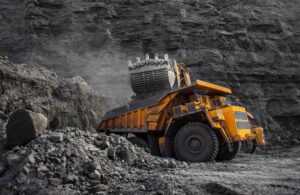
The mining industry has long been associated with manual labor, heavy machinery, and challenging working conditions. However, the advent of technology has given rise to a new era in mining: smart mining. Smart mining leverages advanced technologies, data analytics, and automation to transform the industry, making it safer, more efficient, and sustainable. In this blog post, we will explore the concept of smart mining, its key components, and the transformative impact it has on the mining industry.
- Automation and Robotics: One of the key components of smart mining is the integration of automation and robotics. Autonomous vehicles, drones, and robotic systems are deployed to perform various tasks, such as drilling, blasting, and material handling. These technologies not only improve efficiency but also enhance safety by reducing the exposure of workers to hazardous environments.
- Internet of Things (IoT) and Connectivity: Smart mining relies on the Internet of Things (IoT) to connect various devices, sensors, and equipment. IoT enables real-time monitoring of equipment performance, environmental conditions, and worker safety. By collecting and analyzing data from multiple sources, mining companies can optimize operations, predict maintenance needs, and improve overall productivity.
- Big Data and Analytics: The abundance of data generated in the mining process is a valuable resource for smart mining. Big data analytics enables mining companies to gain insights into various aspects of their operations, such as equipment performance, energy consumption, and mineral extraction. By analyzing this data, companies can make data-driven decisions, optimize processes, and identify areas for improvement.
- Remote Monitoring and Control: Smart mining allows for remote monitoring and control of mining operations. Through the use of sensors and real-time data transmission, mining companies can monitor equipment performance, worker safety, and environmental conditions from a centralized control center. This remote monitoring capability improves efficiency, reduces downtime, and enhances safety by enabling timely interventions and preventive maintenance.
- Safety and Environmental Sustainability: Smart mining prioritizes safety and environmental sustainability. Advanced technologies, such as real-time monitoring systems, wearable devices, and predictive analytics, enhance worker safety by identifying potential hazards and providing early warnings. Additionally, smart mining promotes sustainable practices by optimizing energy consumption, reducing waste, and minimizing the environmental impact of mining operations.
- Collaboration and Integration: Smart mining encourages collaboration and integration among various stakeholders in the industry. Mining companies, technology providers, and regulatory bodies work together to develop and implement smart mining solutions. Collaboration fosters innovation, knowledge sharing, and the development of industry-wide standards, ensuring the widespread adoption of smart mining practices.