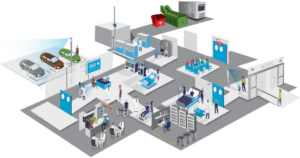
Nursing home facilities play a crucial role in providing care and support to the elderly population. As the demand for elderly care continues to grow, it is essential for nursing homes to embrace innovative technologies to enhance the quality of care and improve operational efficiency. One such technology that holds immense potential is Artificial Intelligence (AI). In this blog post, we will explore why your nursing home facilities need AI and the significant benefits it can bring to the elderly care ecosystem.
- Personalized Care and Health Monitoring: AI-powered systems can collect and analyze real-time data from wearable devices, sensors, and electronic health records to monitor the health and well-being of residents. This enables nursing home staff to provide personalized care plans tailored to each individual’s needs. AI algorithms can detect patterns, identify potential health risks, and alert caregivers to intervene promptly, ensuring timely medical attention and reducing the risk of complications.
- Fall Detection and Prevention: Falls are a significant concern for the elderly population, often leading to serious injuries and hospitalizations. AI-powered fall detection systems can use computer vision and machine learning algorithms to analyze video feeds and detect falls in real-time. By promptly alerting caregivers, these systems can ensure immediate assistance, reducing the impact of falls and improving resident safety.
- Medication Management: AI can streamline medication management processes in nursing homes, reducing the risk of medication errors and improving adherence. AI-powered systems can provide automated reminders for medication schedules, track medication inventory, and detect potential drug interactions or allergies. This technology can help nursing home staff ensure that residents receive the right medications at the right time, improving medication adherence and overall health outcomes.
- Social Engagement and Mental Health Support: AI-powered chatbots and virtual companions can provide social engagement and emotional support to residents, especially those who may feel isolated or lonely. These virtual companions can engage in conversations, provide companionship, and even offer mental health support through natural language processing and sentiment analysis. This technology can help improve residents’ well-being, reduce feelings of loneliness, and enhance their overall quality of life.
- Staff Efficiency and Workflow Optimization: AI can optimize staff efficiency and workflow in nursing home facilities. AI-powered scheduling systems can automate staff allocation based on resident needs, optimize shift planning, and ensure adequate staffing levels. Additionally, AI algorithms can analyze historical data to predict resident care needs, enabling proactive resource allocation and improving operational efficiency.
- Fall Risk Assessment and Prevention: AI algorithms can analyze various data sources, including medical records, sensor data, and resident assessments, to identify individuals at a higher risk of falls. By identifying risk factors and implementing preventive measures, such as exercise programs, environmental modifications, and assistive devices, nursing homes can proactively reduce fall risks and improve resident safety.
Conclusion: The integration of AI in nursing home facilities has the potential to revolutionize elderly care, enhancing personalized care, improving health monitoring, and optimizing operational efficiency. By embracing AI, nursing homes can provide residents with personalized care plans, enhance fall detection and prevention, streamline medication management, and offer social engagement and mental health support. AI technology empowers nursing home staff to deliver high-quality care, optimize workflows, and improve resident safety and well-being. As the elderly care landscape continues to evolve, AI will play a crucial role in transforming nursing home facilities and ensuring the best possible care for our aging population.